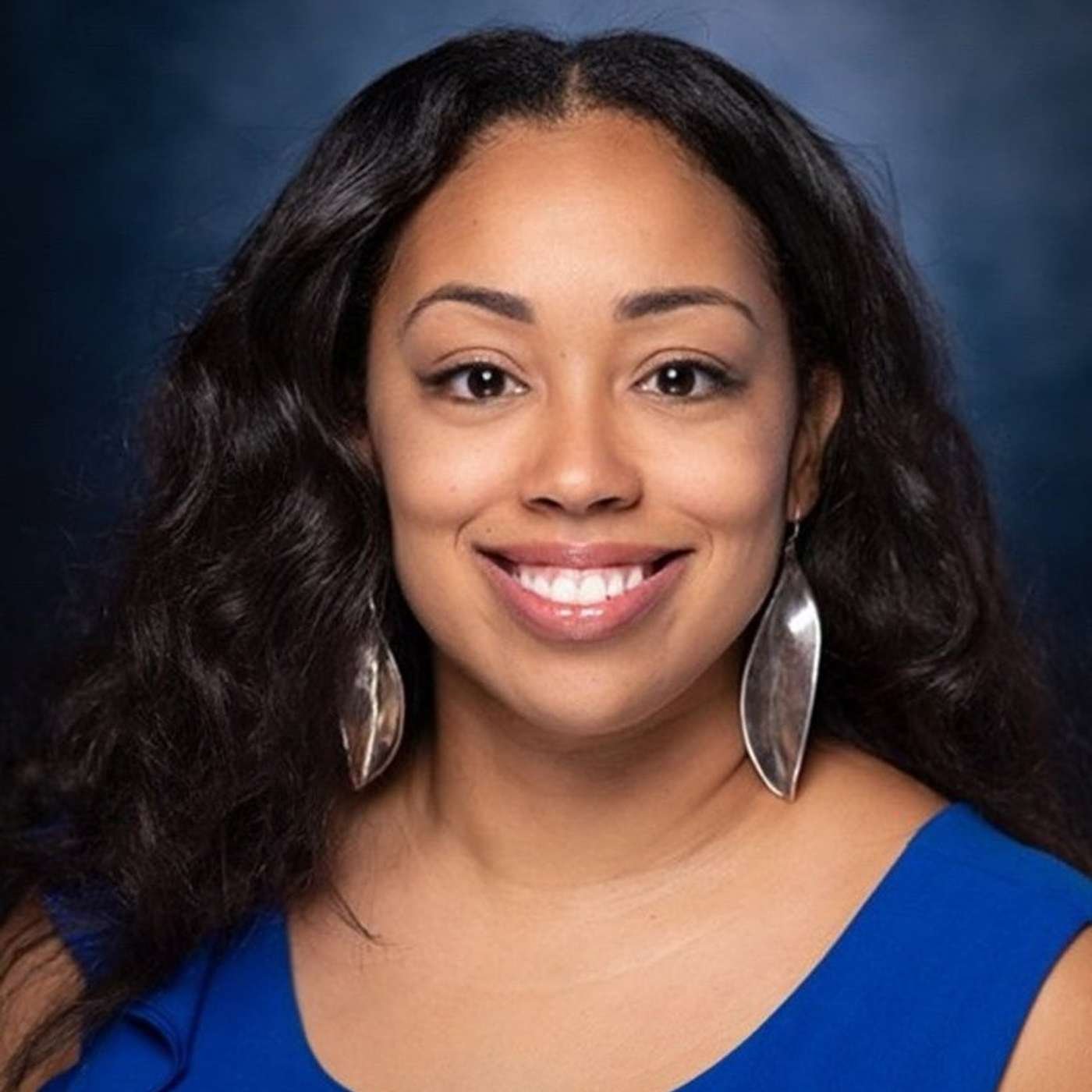
My guest today is the Chief of Minority Business and Workforce (division office of economic impact and diversity) at the US DOE, Shalaya Morissette. Prior to her role at the DOE Shalaya was the Senior Technical Inspector at the Gas Pipeline Safety group for National Grid USA. She holds a Bachelor’s degree in Business Administration and a Master’s in Education from Cambridge College and is currently pursuing a bachelor’s degree in Nuclear Engineering Technology with Excelsior College.
On this episode of the Clean Power Hour, Shalaya joins Tim Montague to discuss opportunities that minority groups in the US have when it comes to the clean energy transition through the DOE, how to convince people of color to take up the clean power baton, and much more.
We must become more intentional about diversity and inclusion in clean energy and Ms. Morisette’s work is at the center of this. Clean energy is still dominated by white men. Blacks represented 8 percent of clean energy while they are 13 percent of the workforce. According to a report by the National Association of State Energy Officials, only 25 percent of energy workers are female, compared to an overall average of 47 percent in the workforce. Given the incredible job growth of the energy sector, and the expected growth thanks to current government policies, the lack of diversity threatens women, Hispanics, and Black workers in particular.
As the United States looks to build back a better, cleaner, more equitable economy, a renewed focus on increasing diversity in the clean energy sector should be an economic imperative. The US Department of Energy foresaw this need and released its first-ever Diversity, Equity, Inclusion, and Accessibility (DEIA) Strategic Plan to underscore the Department’s commitment to creating a workplace that celebrates Americans of all backgrounds in September 2022.
KEY TAKEAWAYS
- How Shalaya got into clean energy?
- The work that she does at the office of Diversity, Equity, Inclusion, and Accessibility in the DOE
- Opportunities that minority groups in the US can use to get into Clean Energy
- Requirements that you need to get access to these opportunities.
- Opportunities that the DOE is offering and how to take advantage of them
- The process that entrepreneurs, women, and people of color can expect to participate in o
Connect with Tim
Clean Power Hour
Clean Power Hour on YouTube
Tim on Twitter
Tim on LinkedIn
Email tim@cleanpowerhour.com
Review Clean Power Hour on Apple Podcasts
The Clean Power Hour is produced by the Clean Power Consulting Group and created by Tim Montague. Contact us by email: CleanPowerHour@gmail.com
Corporate sponsors who share our mission to speed the energy transition are invited to check out https://www.cleanpowerhour.com/support/
The Clean Power Hour is brought to you by CPS America, maker of North America’s number one 3-phase string inverter, with over 6GW shipped in the US. With a focus on commercial and utility-scale solar and energy storage, the company partners with customers to provide unparalleled performance and service. The CPS America product lineup includes 3-phase string inverters from 25kW to 275kW, exceptional data communication and controls, and energy storage solutions designed for seamless integration with CPS America systems. Learn more at http://www.chintpowersystems.com
0:51
My guest today is an amazing woman. Her name is Sheila Morissette. She is the chief of minority business and workforce Division at the office of economic impact and diversity at the US Department of Energy. And as you're gonna see here, in this episode, she's been travelling around the country visiting organisations like the Urban League in Chicago, which has a lovely solar carport, and is doing workforce development training for the solar and battery storage industries. Right there in Chicago. She went to Bakersfield oil country, and she went to Houston and met with a organisation called Greentown Labs, where entrepreneurs are bringing their innovations to life. Sheila is so passionate for helping women and minorities go further faster. And she is a catalyst inside the Department of Energy. Bringing funds not only from the DOE, but many other departments to bear for entrepreneurs and business owners who here to for may not even know that there are resources available. Her contact info is in the show notes. Check that out. And I hope you stick around for this amazing conversation. I'm Tim Montague. Welcome to Shalala Morissette. Today, we're going to be talking about increasing equity and diversity and justice in the clean energy transition. I'm so pleased to bring the chief of minority business and workforce division office of economic impact and diversity at the US Department of Energy to the Clean Power Hour today. My guest today is Sheila Morissette. Welcome to the show. Sheila.
Shalaya Morissette:
2:50
Thank you happy to be here.
Tim Montague:
2:52
So Leah already goofed it up.
Shalaya Morissette:
2:55
You got it. It's just Princess Leia with a show. That's the easiest way to do it.
Tim Montague:
3:00
So all you other podcasters who are going to interview chalet get that right? Well, you. It's great to see you again. And we're gonna dive into so many cool things, so many great opportunities for entrepreneurs, for young professionals, for career changers. And for all of the energy, clean energy industry companies. Take note, there is a movement afoot in the United States to increase the diversity of our industry, it's absolutely doable. We just have to be more intentional about it. So give our listeners a little background on yourself Shalala, how did you get interested in this subject? How did you get interested in the clean energy transition?
Shalaya Morissette:
3:42
Absolutely. So it was pretty simple. I looked around, I was working in higher ed. And I knew the numbers were declining for enrollment, just across the board. And I said, I need something stable, I need something that's going to make me some money. And I looked around and energy was where it was at. and there happened to be a career fair. And I'll tell you, Tim, they didn't like me at first, I had all of this background that was so unrelated that they just couldn't see it. And so I called a friend because everybody in energy knows somebody, right? And I said, just get me an interview. I don't need you to do anything else. Just give me the interview. And so I did a follow up interview. And before I left the building, I got a job offer. And it was one of the best decisions I ever made to ask for that favour. Once I got in, I looked around and I said, Okay, I don't see anybody like myself. I said, How do I get involved? How do I get more people here, because for the most part, these are six figure jobs, right? There's a lot of money here. And I didn't know, I had no idea. And then I said, I'm gonna get involved. I'm gonna start working with eight, which is the American Association of blacks and energy. I'm gonna get involved with women, because they didn't see very many of them. So I started to field out New England, women and energy and environment, one of the largest groups in New England, I started sitting on their board, they asked me to come in and work with them. I started working with brown in the green space. And then I looked around and I said, I'm working with a lot of engineers. They're all white. They're all male. And they're not smarter than me. So I'm gonna go back to school. And of course, I'm gonna make my employer pay for it, right. And so I said, What am What am I going to do? I want it to go from mechanical engineering. I got accepted to Dartmouth and I said, Wow, this is great, but I can't leave the job. So I said, I'm going to go through with Excelsior College. I'm going to start this degree and nuclear engineering technology. It was great. So I started digging into the sciences. I started doing a lot more community work. I shifted gears from doing all things permitting, understanding utilities, and shifting into safety and compliance and regulatory. So that's the spiel for me getting into energy and just diving in, really?
Tim Montague:
5:55
So you were a nuclear engineer. So
Shalaya Morissette:
5:58
I have eight classes left. I've got eight. I'm almost there. So as soon as I get into my groove with the new job, I will finish up. That's the goal. But I've got eight classes laughed so much. Yeah. My bachelor's is in business, my master's in education. And so now it's nucular engineering tech.
Tim Montague:
6:16
Awesome, awesome. So you've been on a whirlwind tour of the United States, as well as networking extensively within the DOD and other departments in the US government. What are your high level takeaways about where we are today? And what are the glimmers of hope that you have gathered around the country and around the halls of Congress? Gosh, Tim,
Shalaya Morissette:
6:49
you you start out heavy, don't you?
Tim Montague:
6:52
I like to go deep, fast. Yeah, you do.
Shalaya Morissette:
6:54
So I'll focus on on the tour first, right. So I've sort of set out on this energy tour to understand and bring the information to people, right. The one thing that we always hear is that we didn't know. And what I don't want to leave this job is with people saying Why didn't know you never come to talk to me, you never got information out, you were never available. And so I started doing this energy tour, making sure that we're working with our energy ambassadors, I've been in my second week of work, I was in Houston. And then thereafter I was in Florida, I've been to California, more of Texas, all over Chicago, which was amazing. By the way, I know you're based in Illinois. So you know, that's, that's a favourite for me. But more importantly, when I'm there, and I'm meeting people, and they hear about what's happening, and how they can actually be involved. That's the glimmer of hope, because their eyes light up. And they see that as possible. They see that there's actual dollars on the table that they qualify for. And it's not a handout, it's r&d, it's actual uplifting, of a wealth change. Right. So, for me, that's the hope. But internally, with DOD, I have found that my questioning of government before being involved in it has been sort of wiped away. There are good people doing good work here that are incredibly committed, there is not a day where I am not contacted by someone or reaching out to someone saying, Can we do this? How do we do this? How quickly can we do it, we're doing it as quickly as we can, with all the bureaucracy, right, with all the red tape, all the processes, we're doing everything we possibly can in this moment, to get the dollars out the door to make an impact to make change. So that's, that's my hope, with working with amazing people.
Tim Montague:
8:41
I'm very sensitive to the reality that Americans don't trust the government. And people of colour don't trust the government even more, right. And for good reason, as the government has been one of the problems per se, that continues institutional racism. And but it's a both and right, it is a force for good. And there is a difference between good government and bad government. And we need more good government. And we there are many positives going on in government, there's a renaissance going on. For our listeners who don't know this, there is a huge Renaissance going on at the Department of Energy. They are hiring about 1000 professionals to do more of what chalet is doing, and many other things. And and so but give our listeners a little background on the DOP, and why there's a need for your office.
Shalaya Morissette:
9:46
Absolutely. So some old white guys in Congress in 1978 certainly thought we were needed, that is when the office of economic impact and diversity was established. And so for those listeners that aren't familiar with our office, I'll give you a little bit of a rundown. Really, we're supposed to advise our Secretary Secretary Granholm right now in energy policies, regulations, other actions that affect minority business, right. It's a way to ensure that minorities are afforded an opportunity to participate fully in doe energy programmes. Were supposed to conduct ongoing research programmes right to determine the effects of national energy programmes on everything including socio economic environmental effects without peace, then we're supposed to develop and recommend policies right to assist minorities and Minority Business Enterprises. Again, conducting research energy burden, economic opportunities, commercialization of energy related technologies, were supposed to provide management and technical assistance to minority serving institutions MBE is. And really we can directly work with these organisations. The last piece that we don't have that we're working on is we have in the legislature that we should be able to provide financial assistance in the form of loans, which is a very big deal to minority owned businesses. So we're working on that. That is why the office exists for those reasons. Note that there is only one federal office that is 100%, dedicated to minorities, and that is MBDA, the minority business division. So totally different, we work closely with them, along with other federal family members. So it's, it's an amazing office, and it's just as old as the DOE itself.
Tim Montague:
11:34
And so if if I'm a female or person of colour entrepreneur, give me three reasons why I should know about your office and connect with you and your colleagues. What are the opportunities that are presenting themselves for minority and women owned businesses and entrepreneurs that those people may not know about? And, you know, we're going through a very intense time, it's a very good time with the IRA legislation, the inflation Reduction Act. But the problem in the end, the, the bottlenecks are, are several, one of them being having enough people to get the energy transition, you know, accomplished, right? We have the technology, we need to deploy, deploy, deploy, as trigger likes to say, and that takes people and entrepreneurship. You know, it's a combination we need more and better technology to but that train is rolling. Really, we're very, very good at evolving technology, we're highly motivated to do that by the profit motive. So what do you say to women and black and other people of colour entrepreneurs,
Shalaya Morissette:
12:53
or So one area, Justice 40. Write? It is 40% of the overall benefits of certain federal investments in era of clean energy, of course, must flow to disadvantage communities. When you think of that word, do we took a lot of time to identify what disadvantaged communities are, there's about 36 points that we went through to really say, Okay, is there not a transit line? Single family households? What does that look like? Right? So think about 40% of the financial benefits, right? It's not just financial, it's overall. So in a place where there may not be people of colour, we're still saying, What does your community benefits plan look like? How are you going to make an impact, a positive impact? Whether it's lowering energy bills in a neighbouring town, that is considered a disadvantaged community? What does that look like? We're holding you to the fire. This statute really governs 144 programmes, that's a lot of dollars that will have to flow to minority businesses. And it's everything to do with climate change, affordable sustainable housing, training and workforce development, remediation and reduction of legacy pollution, right? Critical clean water, waste infrastructure. There's there's tonnes of money here for minority owned businesses, and you need to go after it. contacting me, I can give you a tonne of information information on dollars available, top of my head $125 million dollars in battery and critical mineral recycling. I know that sounds like a huge thing. But if you are doing recycling activities, that's an eligible use, right? You've got obviously the jiggers office, their floor of loans is 100 million, right? Their average loan is a billion dollars at 3%. That feels like somewhat free money, right? I can't even buy a house at 3%. Right now. You've got 12 million in advanced manufacturing got$40 million just for edit energy auditing, right for that training. You've got 10 million and career skills training, you know, do we take unsolicited proposals, right, you can send us something you can go through if you've got a novel idea that you think we should be doing. And it's related to some of our topics. You have SBIR, that's got $50 million every year, they're giving that those monies out. And that's one thing that I stress to minority entrepreneurs. Those funds are non diluted funds, we cannot take your idea, but we want you to get to commercialization with that idea. So in the first year, you can get 200 200,200 250,000. In your phase two, you're looking at 1.1 million, right? And every summer, you could get another $20,000 Just to fund a student to do research with you for your idea that we will fund. So there's an incredible amount of money, not to mention 1000 jobs where you can actually get involved. I need energy to look sexy, right? Right, I need energy to look cool. And that's what I'm trying to do to help people understand that there's amazing things happening. But I need more minority participation in this process.
Tim Montague:
16:02
Hey, everybody, thanks for listening to the Clean Power Hour or viewing it on YouTube, we do have a great YouTube channel, if you're not subscribed, please go to clean power dot group, and hit that YouTube icon and subscribe to our channel, of course, you can find all of our content on your favourite audio platform as well. So please give us a rating and review back to the show, you put your finger on something in our pre show conversation, that sometimes people of colour don't want to self identify as minorities, there is a process right to open the door. So to speak to these funds and resources, you do have to self identify, and I get it because they're out there, slugging it out growing their businesses, and they don't want special treatment. They want to recognise that, you know, we're all people. And they are they are just as capable as anyone else, so to speak, right? And at its core, that is a totally legitimate belief. So how do you help people in that circumstance, get over the hump, so to speak and self identify?
Shalaya Morissette:
17:10
Sure. So there's going to be different lanes that you're in. If you've never done business with government, you have to understand some things, we are playing with taxpayer dollars. And so we need to be risk adverse, right? We don't want to make risky decisions. So we're gonna trust folks that have been working with us for a long time. So for you to get your foot in the door, you may need to self identify, to get a slice of the pie. And once you've done that, you can now show look, I've done good work. Now go after the larger slice of the pie. There's nothing that stops you from doing that, right. But you also have to understand what lane you are in and your scale. Understand a lot of companies that we're working with are massive, they're working with billions of dollars, not 500k in revenue, right? So you have a decision to make as an entrepreneur of how much you want to fight the fight. How competitive Do you want to be? Right? It takes a tonne of capital, you're dealing with the nation with some of our, like, some of our projects are huge, you've got to be a big company, the way that you can get around that is by teaming up, right. So if you have 10 companies that are all at under 500k, and you can come together to make a larger grouping of dollars, that may be the best way to do it. Another way to do that is you may have to become a subcontractor, with someone who's been working with us for a while and get a working agreement and say, look, I can gain your past performance. If I become your subcontractor, we put up united front, we turn around and then I apply for that same programme. And now you are my subcontractor, but we're all there's there's tonnes of money here everybody's able to eat. It's just about how you want to go into this. But you don't have to self declare over and over and over again. Once you've done it, it's done. We have your other books as a minority, you can go into other funding opportunities, nothing stops you. Nobody's saying you are a minority owned company, and you can't compete against other companies that are not considered minority. Nothing stops you from doing that.
Tim Montague:
19:17
Now, one of the entrepreneurs I introduced you to, or referenced in in our pre show conversation is a gentleman named KSA, Agni. He is an immigrant from Ethiopia, both he and his business partner are immigrants from Ethiopia, and they're growing a successful engineering firm in the solar industry. But as you can imagine, they are screaming busy and very focused like a laser right on acquiring new customers, and new markets and new toeholds. And that is a very intense thing. And and then I love this idea over the fence of, Hey, have you registered as a minority owned business? And I'm just curious, how do you think that process goes in general, if you are an entrepreneur, and you're embarking on that process to register, so to speak as a minority on business or women on business? What is that like? And what is the, you know, the success rate?
Shalaya Morissette:
21:08
It's a process. It is a lengthy process. It's a lot of paperwork, it's a lot of writing, and business owners usually don't have time for it. Right? They're busy, they're trying to run an operation. And so what I tell them is to get help. You don't always have to pay someone to do the grant writing. It's nice, but there are nonprofit organisations that have grant writers that loan them out right. You can always go to SBA, you can go always go to NVDA. They will help you write these things. There are P TECH centres. They are our centres around Another country that can help you with technical assistance. If you have questions about a proposal that you're writing, right, we internally have a phase zero programme for that research and development programme that I spoke about SBIR, as 12 weeks of them helping you draft your proposal, it's free to an entrepreneur, you just need to apply and say, look, I've got a, I've got a viable idea. And they will help you.
Tim Montague:
22:05
That's the key here is that there are resources like PTAC, you referenced, which I believe is part of the Small Business Development Centre, network. And these are, you know, professional consultants, who are paid to work with entrepreneurs and help them jump through these hoops. That's the thing is you don't have to do this by yourself. You can do it side by side with somebody who's been there, done that dozens and dozens of times, and can ease this process and speed your way. So reach out to me if you want more information about that, or reach out to Shalala and we will put Chile his contact information in the show notes. So I want to circle back to the tour. I'm I'm so intrigued that you did this. I think it's a wonderful idea. And why don't we start with my home state of Illinois since it you know we are a number five clean energy, clean energy state now in the US we have major clean energy legislation, the climate inequitable JOBS Act. We have the solar for all programme, which has carve outs for low and middle income residents and contractors both. And here in the Midwest, we have lots of energy communities. Also, these are communities that were former coal mining regions, there's power plants that are being shuttered. coal and gas power plants are being converted to wind, solar and battery storage. And there are special incentives in the IRA legislation that target these communities in these jurisdictions. So there's a really good playing field here in Illinois, in that we have lots of lots of ground, lots of brown fields. And, and lots of people. I think we have 13 million people or so in the state of Illinois. And of course, Chicago is a is a major metro. I think it's the fourth largest metro now. Since Houston has been growing so fast. But so what what did you What did you experience in Illinois? What are some of the organisations that you met? And you know, want others to know about? And let's talk a little more about about what you what you experienced?
Shalaya Morissette:
24:24
Chicago was amazing. Let's start with that. It was it was a phenomenal trip, amazing people. So Invenergy actually called me and said, Look, we have this arm of ours, that does a lot of outreach to community. We're doing some things in the community. There's a young lady Utopia there, and rain Rembert. And they said, Look, we want you here. They originally wanted my boss, everybody wants to my boss, my boss is Shalonda Baker. And she's quite inspirational. And she said, Look, I'm not available. But there is Sheila. So you know, they met me. And they were very happy that I had such enthusiasm. And so they brought me out. They brought me to go see Urban League. So there's Urban League, Chicago, and it's on the south side of Chicago. They were successful in putting up solar carports. Right and charging stations. They're running a solar training programme at Urban League, and they've got so many black and brown students, and they're loving it. They're learning a tonne. In that same space, we're talking about the $27 billion that's supposed to come out of the EPA office, and what's going to happen with those dollars and how do you tap in? Right? They took me over to M hub, the innovation and hub is amazing. I've met a young girl that created a strapless mask, right that you can throw in the washer. Amazing, a young young man named Nana, he created an electric bike that is a conversion kit retails for like 600 bucks. Right? It's affordable. It means that transportation is no longer an issue you can get to and from right with your standard bike, not your $3,000 or $6,000. electric bike. It was amazing. Meeting people in that space and giving them what they needed to know. There are a lot of investors in the room that said, we're not sure where to invest in clean energy. We just know we need to be a part of that. And so where should we be looking? And so the information that I was presenting at the time was a lot of carbon capture stuff. A lot of hydrogen, of course nucular battery manufacturing, in general energy efficiency, right? Weatherization, there's a tonnes of areas that you can go into the money is there, but the people were incredibly passionate about working together, particularly in solar. I absolutely love the folks that I met In Chicago, they were amazing, absolutely amazing. And I will come back.
Tim Montague:
26:47
And we, you know, we had our first wave of clean energy infrastructure started in 2008. We got a wave of utility scale wind, solar was very small potatoes at the time. We got our second wave in 2017. With fija, the future energy jobs act which especially incentivized growth of the solar industry, it was both an solar and wind. And now with see job, the climate and equitable equitable JOBS Act, we're just doubling down and accelerating and expanding the incentives that are available for solar wind and batteries. And they are very generous incentives. This is the way this is playing out is we have a very strong residential solar industry, we have a growing CNI or commercial industrial solar industry, we have a very robust community community solar industry. So if you don't own a home, or if you have a shady roof, or you just don't want to put solar on your roof, you can you can subscribe to community solar, and buy clean electrons. And these are all wonderful things right for its it saves residents money, business owners money, and it cleans the grid. And we're now gunning for a 40% clean grid by 2035. A very worthy goal. So and then, you know, the backdrop is we have a 40% nuclear grid here in Illinois, we are the most nuclearized state in the country. And we're keeping those ageing power plants open, which is a good thing, because they are a low carbon source of energy for the grid. Once you've built that massive infrastructure, you want to keep that running. I don't think it's very practical. And, and I know that my, my colleague, Mark Jacobson at Stanford agrees with this analysis, and that is that new nuclear is probably just not going to be economical. And it takes so long to develop those projects. Of course, we want to continue to develop the technology. And I think it'll be wonderful on places like Mars, but right now, we want more solar and wind farms, and augmented with energy storage. And of course, there's batteries, but there's also a plethora of thermal energy storage devices, check out the Clean Power Hour, clean power hour.com, you'll find all these interviews with a whole series of solar thermal or clean energy, thermal, heat battery technologies now. And it's a thing. So we're cleaning up Industrial Heat, also with solar, wind and battery storage. So what other places did you travel to Shalala around the country and what other stories really caught your attention?
Shalaya Morissette:
29:42
While I was in Bakersfield, California, which is considered oil country, right? And and so everybody was kind of like, why are you going there? Well, it's a woman's conference. And these are all women in oil and natural gas. And so you can imagine that when I got there, it was sort of met with, Oh, what do we got to say about oil? It's got to go away down with oil. I mean, the reality is, California produces the cleanest barrel of oil in the country. Right? They are so heavily regulated, that they've got to do it almost perfectly, right? Even on federal lands, they are spending dollars for a certain species of geckos, the company that I went out with Barry, they spent a million dollars to fence off an area to make sure that these particular geckos weren't harmed, right. The women there were so passionate about education. They understand that their industry is misunderstood in so many ways. And so a lot of their questions were around how do we get into minority communities and educate them about what's happening and what the opportunities are? We talked a lot about the transition, right to clean energy and what it looks like, you know, the reality is, don't wait. Don't wait until you see it happening around you. You need to be a part of the process right now. You need to be diversifying your portfolios, right. These massive companies, they are they are investing in in carbon capture, they are looking at geothermal. And the folks in the room recognised it. Right. And they were happy to hear that there is so much progress in general, right. The hard hitting question that was asked in the room is, look, we're buying 70% of our oil from overseas countries, right? And in that moment, I looked at this young lady that was asking the question, and I said well, you will produce 30% So use less use 70% less oil And let's see what happens. Right? So it's sort of having those really difficult conversations in those environments that I absolutely love. Because it gets us all to think and communicate and have understanding for what government's purpose in this process is, right? And what the people's purposes that you do have power, right, even with your regulators, if you don't want them there, vote them out or get involved, right, do something about it. So it's been great. Bakersfield was amazing. I was in Houston. In my second week, that energy tour was wild. There were so many people that were talking about green banking, and that was my second week into the new into the new job. And it was amazing to go out and see Greentown Labs and what they're doing the innovation that they have, they have folks thinking about women on electric bikes, right. So there's a gentleman there, I don't know his name, but he's developing a bike so that you can wear a skirt with it, and it has less jerking. If you've ever been on an electric bike. It's it's a little bit. It's a change in pace, for sure. But it accelerates
Tim Montague:
32:51
fast, right? That's what you're referring to, when you step on the gas. It goes, yeah, it
Shalaya Morissette:
32:55
definitely goes and you may not be ready for it. And so his sister and mom, were having a really tough time adjusting. And so he said, I'm gonna build one that's better for you. And so that's what he's doing. So there's just there's so much innovation in the energy space. It's amazing, absolutely amazing.
Tim Montague:
33:11
It's very interesting that you visited two major oil regions, California and Texas. And, you know, we have a great opportunity to bring people from oil and gas, which is not gonna go away overnight, but we are transitioning away from oil and gas. And these transitions are perfectly natural humanity has done this many times before, over the millennia. And now the transition is to win solar and energy storage. And we need 10s and 10s of 1000s of new professionals, soup to nuts from from the trades, and too many types of professionals finance, sales, engineering, marketing, it technicians, installers, etc, right to do this deployment that we are engaging in now. Excuse me. So what in our last few minutes together shall a? What else should our listeners know about your work and the opportunity that is presenting itself, you know, in real time now in the US,
Shalaya Morissette:
34:31
you need to know that success for me in this role looks like my office not even existing, that there shouldn't be a need for it, that it should be an even playing field, right? There are so many financial opportunities coming out of DOD, there's so many opportunities that are going to come about just in partnership with other federal partners, like EPA, like MBDA, if you are a minority business owner, and I can help you, I will, that doesn't mean preferential treatment. That means that I will show you where the money is and where you should be seeking out opportunities. Everything from technical assistance to just the websites that you need to be connected with their apps now to identify opportunities that you're looking for. Working with state agencies, there are so many dollars, if you are an individual, you are minority in this space, and you want to know how to come and work for DOA, I can show you that too. There is a massive network out here that you should be tapping into. That's not just the grid, but I'll call it our professional grid that you should be connecting to. So I encourage folks to reach out to me, if you have a business that you feel like I need to know about, contact me.
Tim Montague:
35:43
Wonderful, wonderful, I really appreciate that. And to all of our listeners, you can find all of our content here at Clean Power hour.com. We put extensive show notes on that landing page for each episode. So check that out, please subscribe to our YouTube channel. And you can just click that YouTube icon and that takes you to this subscribe page. And then of course, you can see all the interviews there. And the most important thing is to please give us a rating and a review on Apple or Spotify that helps others find this content. And it is all hands on deck. Right? We're making the energy transition but we need to accelerate the pace of change and adoption. So it is a very intense time for humanity and I look forward to hearing from you all as well. I love to hear from my listeners. So reach out to me. You can use use the contact form on clean power hour.com I want to thank Shelia Morissette for coming on the show today. She is the chief minority business and workforce division office of economic impact and diversity at the US Department of Energy. Thank you so much, Sheila.
Shalaya Morissette:
36:58
Thank you, Tim. Keep doing great work.
Tim Montague:
37:00
I'm Tim Montague. Let's grow solar and storage