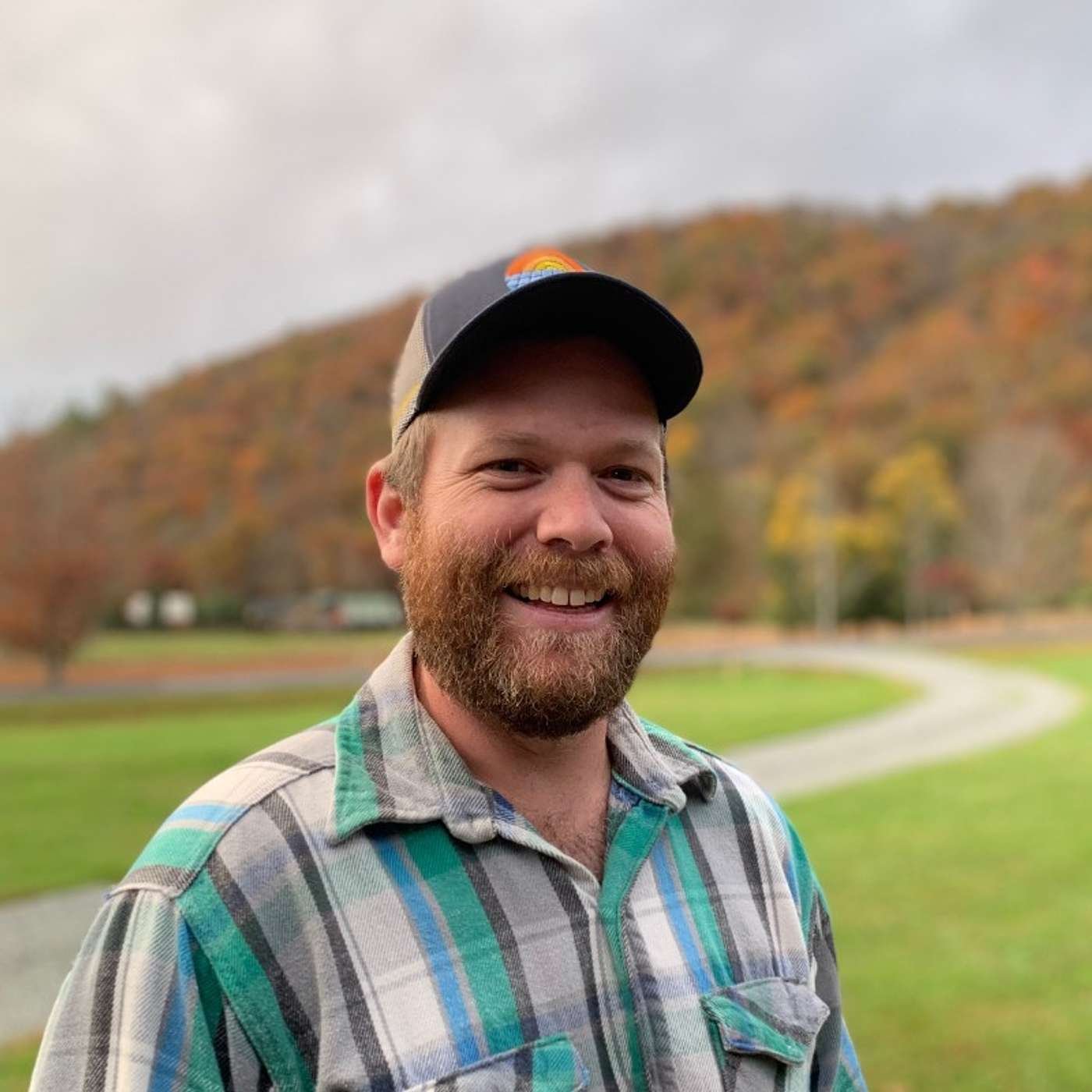
Thurs April 20, 2023, at 12 noon ET we are joined by Zack Hobbs, CEO & Founder of Carolina Solar Services to talk about large-scale solar O&M (operations & maintenance).
Stay up to date with the latest developments in the world of clean energy through the Clean Power Hour LIVE, your weekly source for solar, wind, and energy storage news and analysis. Join co-hosts Tim Montague, a seasoned renewable energy expert, and John Weaver, a PV Magazine journalist, as they dissect the latest tools, technologies, and trends driving the energy transition forward. With a strong commitment to decarbonizing the economy and building a safer, healthier future for humanity, this show is a must-watch for any energy professional looking to stay ahead of the game. Don’t forget to subscribe to our YouTube channel, rate and review us on Apple or Spotify, and join us live every Thursday at 12 noon EST / 9 AM Pacific. Contact us at tim@cleanpowerhour.com or visit http://www.CleanPowerHour.com to learn more.
Connect with Tim
Clean Power Hour
Clean Power Hour on YouTube
Tim on Twitter
Tim on LinkedIn
Email tim@cleanpowerhour.com
Review Clean Power Hour on Apple Podcasts
The Clean Power Hour is produced by the Clean Power Consulting Group and created by Tim Montague. Contact us by email: CleanPowerHour@gmail.com
Corporate sponsors who share our mission to speed the energy transition are invited to check out https://www.cleanpowerhour.com/support/
The Clean Power Hour is brought to you by CPS America, maker of North America’s number one 3-phase string inverter, with over 6GW shipped in the US. With a focus on commercial and utility-scale solar and energy storage, the company partners with customers to provide unparalleled performance and service. The CPS America product lineup includes 3-phase string inverters from 25kW to 275kW, exceptional data communication and controls, and energy storage solutions designed for seamless integration with CPS America systems. Learn more at http://www.chintpowersystems.com
0:51
Welcome to the Clean Power Hour live today's April 20 2023. I'm Tim Montague, your co host Hey, check out all of our content at clean power hour.com Give us a rating and a review on Apple and Spotify and subscribe to our YouTube channel but giving us a rating or telling a friend of the best things that you can do to let others know that we're busy speeding the energy transition weekend week out with two episodes. We bring you this live every Thursday at noon Eastern today's a special show we have a very cool guests on large scale solar Oh Nm. We have a company called Carolina Solar services with us their CEO Zach Hobbs is going to be joining us. And before I introduce my co host, I want you all to know that the Clean Power Hour is brought to you by cin Power Systems otherwise known as CPS America maker of North America's number one three phase string inverter, with over six gigawatts shipped in the US with a focus on commercial and utility scale solar and energy storage to company partners with customers to provide unparalleled performance and service. The CPS America product lineup includes three phase string inverters from 25 kW to 275 Kw exceptional data communication and controls and energy storage solutions. CPS America has offices in California, New Jersey and Texas. Learn more at cient power systems.com. With that I want to introduce the commercial solar guy John Weaver, my co host Welcome to the show, John.
John Weaver:
2:24
Hey, Ken. John Weaver here. How are you? 10. So we tell everybody that you got a foo Manchu big beard.
Tim Montague:
2:34
I got a foo bed too. Yeah, you know, once in a while things happen and you have to shave part of your face off, but it's gonna come back. That's the good news. I do need to get a hair transplant like Elon Musk did. Because man he's got a full head of hair now. But if you look back in time, he did not. So I just need to drop 20k Apparently. And then I'll have a full head of hair and a beard.
John Weaver:
3:03
Did you see the rocket? This is questions for both Zack and Tim Did either of you watch the rocket launch this morning?
Tim Montague:
3:10
And so there's there's there's a few a few other headlines I forgot to mention. We're gonna talk about starship and there are you d this morning. And the AI is coming for your solar farm. So we're going to talk about a little company called Dino watts. But did you did you catch it live? John? I caught the recording.
John Weaver:
3:30
I watched it live I watch it live. It was cool. Yeah, look like a big piece of metal just flipping in the sky going over and over. And, you know,
Tim Montague:
3:42
yeah. So SpaceX launched the what is known as the soup. Sorry, starship. So it's the super heavy booster and the starship on top of it. And it got off the pad. It cleared the tower, which was the goal, but then it exploded at about minik six, and the end it failed to separate so. So anyway, it was it was a beautiful thing to see them actually launched that ginormous rocket. I mean, I think it has two times the thrust of the previous largest rocket or something insane like that. I mean, it's just massive. So that thing is gonna be the workhorse for missions to the moon and missions to Mars, hopefully in our lifetime, so that'll be cool. Um, well, let's get into our special guests. Zack Hobbs is here. Welcome to the show, Zack.
Zack Hobbs:
4:38
Thanks, Dan. Yeah, happy to be here. It's good to be here. John
Tim Montague:
4:41
and I could talk about SpaceX all day, but we'd really love to learn a little more. Carolina Solar services. How did you get into solar and what is Carolina Solar services, Zach?
Zack Hobbs:
4:54
Yeah, thanks. Yeah, I got a little nervous. I'm not up on my SpaceX launch this morning. But that's pretty cool stuff for you. And well, yeah, thanks for having me on. So yeah, a little bit about myself and Karolina sola, I started the company in 2014. And we're based in Durham, North Carolina. We're we're really focused mainly on on utility scale, O and M. So we're not really tied to any sort of developer asset owner OEM EPC. We're just kind of, you know, we live and die by providing good quality service to our clients. We take care of about 800 megawatts of solar out there are operating primarily in the southeast kind of Virginia, the Carolinas, little bit work in Florida. And then we've got to some folks out in Oregon that service, a pretty large portfolio out there and one site in Washington's So we're just trying to fill in the pieces moving forward. But yeah, in addition to Oh nm, we also do a lot of you know, being independent we do a lot of owners rep kind of work. Do like commissioning for EPCs, any sort of, like specialised testing, inspections will come in and do root cause analysis for insurance situations and things like that. And then we're, you know, we're providing white label services for some OEMs, where, you know, our team will be our technicians are factory trained, and can get out there and do some warranty repairs or commissioning, things like that.
Tim Montague:
6:27
So we were we were saying in the pre show that, that North Carolina is a major utility scale solar market. Why is that? And? And what what questions does John Weaver have about that?
Zack Hobbs:
6:43
Yeah, I mean, I'm an engineer. So I can't get too deep into the policy side. But as I understand it, you know, the purple rules for North Carolina, the perfect cap somewhere around, maybe, you know, John 2010, or 2012. It got raised up to five megawatts ac i think is previously like one or two megawatts. And then, you know, there's a few developers, you know, some big names, everyone knows strata, and Cypress Creek really started cranking out five megawatt AC qf all over the state. And we're trying to figure out how many there there there are in the state, there's definitely several 100 of the size facilities. So that that really create a real strong solar hotbed in North Carolina.
Tim Montague:
7:31
Yeah, according to New Project Media, there's five gigawatts of solar in North Carolina of utility scale. That's a lot for a solar for, you know, anything outside of California. That's a lot.
Zack Hobbs:
7:47
Yeah, I think they're a sleeper state. And that kind of helped me, you know, I was I was in definitely the right place the right time, and helped us grow and become the company that we are get established. I think, due to that, you know, kind of new market, we were a little bit off the big, big guys radar. Obviously, we're, you know, competing with them now. So, yeah, good market.
John Weaver:
8:12
So a five megawatt AC project. What are the biggest challenges, work efforts? Tasks? What are the biggest things you have to deal with when you show up to the sites?
Zack Hobbs:
8:26
It's a good question. So I think one of the things our team does really well, is that triage and in decision making, there's a lot of cost benefit analysis that goes on, because obviously, sites are too small to have full time staff, like the big transmission, air connected sites, we'll have technicians reporting there every day, but we don't have the budget to do that for the size facility. So there's a lot of, we have a really strong performance engineering team, that's doing a lot of cost benefit analysis, return on investment for our clients and saying, hey, you know, I know you got a couple of strings down here, but we're gonna get to it at our next scheduled PM, or we're going to hit it next time, there's a high urgent need with a central inverter offline. So that's a lot of our discussions back and forth with clients, we'd like to, you know, we set out a rubric of kind of response levels, obviously, you know, a major portion of the whole site's offline, we're going to be there within 24 hours, no matter what, but it's really, you know, tuning in the right, the right response level, kind of wait until you've got a full day of work on a site before on a team of technicians there. So we try to be really, really efficient with with how we operate that.
Tim Montague:
9:43
Tell us about the the monitoring side of this, how are you monitoring these projects? Or is it also energy or a mishmash of products? For better or worse?
Zack Hobbs:
9:55
You know, we're we've got to take what's given to us so yeah, big ball is with also energy now with with consolidation they've done. And then we still have a few few other platforms, we like we've installed some Dino watts. You know, I really liked their their system. And we put it where we needed some retrofits. But yeah, our performance engineers are kind of platform agnostic. And that cuts both ways. That's a lot of systems to log into. And, you know, some systems there's, there's no das installed, and we're logging directly into devices and inverters to check things. But, you know, by and large, we're really good at dealing with data and pulling data out aggregating it kind of doing some, some weekly analysis to, to, you know, get down to a sort of tracker level issues or, you know, underperformance at the firebox level.
John Weaver:
11:42
Interesting my default reaction is, you're a bunch of electricians running around with hard hats and tools, but you got performance engineers who might be engineers. But they're doing spreadsheets. And they're doing wheel rolls, and they're doing losses. And, you know, for myself as a generally a small commercial installer, the idea that you would leave a whole string down, emotionally hurts me. I, you know, regularly we tell customers, hey, you have an optimizer down, we're going to leave that alone until we have three or four. But you're saying things like strings, it's like, I have projects that are strings. And so it's really interesting to hear that insight. And I've heard this before, you know, again, we we will roll tires, when we won't roll tires for one optimizer for one module. But for a string, that's really interesting. You know, we're talking 20 3040 modules that are, something's down not running. So that's, that's cool. You have people in the office running a spreadsheet, you have a calculation from the customer on the amount per kilowatt hour, and you have some sort of estimation on what this thing is generating, and what it's going to lose. Plus the cost to fix it, all those things are in a spreadsheet somewhere, I can fully visualise it. So that's, that's a, that's a nuance, I guess, of doing commercial ons. That's not as conscious to most people. So that's, that's pretty neat. Neat fingers. Cool.
Zack Hobbs:
13:13
Yeah, I think one other maybe slight advantage we have is having multiple clients will have you know, there's, there's regionality to the sites. And so if we're at one client site, and we see, you know, if our guys if it's one o'clock, and they're done at that site, and there's another site next door, but there's a couple of low or medium punch, lowest priority, work tickets, we can just swing by next door and pass along with cost savings have been in the neighbourhood to knock that out for him. So we have tried to work pretty smart.
Tim Montague:
13:41
When I think of when I think of solar row nm I think of, you know, equipment failures, like inverters, or some glitch. So inverters go offline for some reason. And I think of trackers breaking or otherwise going offline, I don't know, what expression you use for a tracker not doing what it's supposed to do. But what are the what are the top three, I guess, issues that you are dealing with on a regular basis?
Zack Hobbs:
14:13
Great question. So I mean, by, by and large, you know, probably 50 60% of our work tickets are gas related gas or SCADA system. So it's either or not, you know, we've got a sell signal that's not pushing data out to, to also energy like it should, or we can, we can't log into a site, there's, you know, we've, we've found some clever ways to put some remote relays in some of these das components, so that, you know, we our performance engineering team can power cycle something from the office, and usually, that's the dirty little secret known him, right, it's just like it turned off, turn it back on. But, you know, figuring out some of the smart solutions to, you know, save a truck roll there. But, you know, there's quite a few issues that deal with telemetry and data and all that side of things to make sure we can have visibility. But you know, under that, I think what you said about inverters is the biggest thing, like, we can live with a tracker row or two, not tracking, right. But if a, you know, two megawatt inverters down, we're gonna need to be getting getting parts in hand to get that back up and running. So yeah, you hit the nail on the head. Those are those are our major, you know, urgent pain points that we're rolling trucks for?
John Weaver:
15:30
How often do you replace a module?
Zack Hobbs:
15:34
I'm, like out in the out in the array? Yeah. That's a good question. I mean, we've probably got some good data on on failure metrics there, you know, what we'll do? Typically, we're flying a UAV, a thermal UAV. Drone once a year. And if we, you know, it's usually finding broken modules. We'll do that a couple of weeks before we're doing our big annual PM. So we know, hey, let's throw a dozen modules on the truck for this site. We got, you know, 10 or broken to diode issues, but it's really, you know, for the normal five megawatt site that might have 25,000 modules, you know, we're probably replacing 10, five to 10 per year.
John Weaver:
16:18
I do some math here, because I want to know what that percentage is because that sounds like a nice low, so 25,000 to three. So we're talking for that's hundreds for 1000s of a percent of the modules getting replaced annually. That's a that's pretty, pretty interesting.
Tim Montague:
16:36
Oh, you're assuming that that that he's doing the lnM on all of the solar or whatever. How are you doing your calculation? John?
John Weaver:
16:45
Oh, I just did 10 divided by 25,000. Why 25,000? Because Zach just said 25,000 modules on a site? Oh,
Zack Hobbs:
16:54
good ballpark number. Gotcha. It might be doing too much mental math at once. But
Tim Montague:
17:01
so yeah, well, I mean, as we all know, modules are super reliable. It's not that they don't break. Okay, they do. And I had a question about your drone work? Are you doing all your own drone? Flying?
Zack Hobbs:
17:16
We do. Yeah. So we have, we have a technician who's who is our drunk guru. He's, like, phenomenal. And this, this is all he does, he kind of takes care of, of all of our drones and flies most days, you know, he's probably in the office, do it, report copulation, and that sort of stuff a day, a day a week. And then a lot of our senior technicians kind of, you know, I'm, we're big on training and kind of, you know, cross training and things like that providing growth opportunities for technicians. So a lot of our senior technicians have gotten their commercial drone pilot's licence, which is obviously required to do this for pay. And so, you know, we'll ship out our drone rig to, to a region and let those guys so those technicians fly it themselves. So it's a it's an awesome tool, I'd much rather be doing that and getting inside combiner boxes and doing curb tree
Tim Montague:
18:08
safer flying and drone than going inside a combiner. Box. But he was
Zack Hobbs:
18:14
put on the 40 Cal suit, they know it's no, no,
Tim Montague:
18:17
you know, something you mentioned in the, in the in the pre, the pre show, when we spoke this morning was that, you know, a lot of solar sites are underperforming in the greater scheme of things. Yeah, there's a constant tug of war, when in the run up to the construction of a solar project, the finance guys think that it can be done for less money, and it's going to generate more profit, profit, right? And then the, the the equipment and construction side is going hey, wait a minute here. You know, we can't build this for you know, 30 cents, or whatever, you've gotten your financial model. But and you know, in the in the real world corners do get caught sometimes, right? You sometimes use cheaper equipment than you should, or you use cheaper construction labour than you should. And those things come back to bite you. But what is the what is the message you have for asset owners and developers when it comes to choice of equipment? And? And EPCs?
Zack Hobbs:
19:22
Yeah, that's a loaded question for sure. There's
Tim Montague:
19:28
not an EPC right, you're
Zack Hobbs:
19:31
complaining about them? Yeah, I mean, it's like the, you know, the challenge I hear from any operations team, whether they're in house or third party, you know, I think there's, there's clearly climatic changes were, you know, our TMI three date or 8760 data, whatever reason, historically, it's not, you know, things are changing, like, you know, when I was growing up, I was talking about this the other day, like, we didn't cut on our air conditioning until till June. And now we're in you know, we're here in April, and it's, you know, it's pollen season, and it's really hot. So they're just, there's definitely, you know, historical data, weather data doesn't apply. And then there's all the little penny pinching or just kind of saying, hey, let's instead of 1.3% losses, let's do 1% losses on this transformer, you all there's little things that you can do to squeeze a little bit extra production out of the model that the finance guys are doing. And then there's, there's like real workmanship things out in the field, it's, it's, you know, going with with a top tier, you know, bankable inverter or tracking system, I get a little frustrated, I see a new tracker coming out every year that that's, you know, lighter and cheaper and could go on steeper slopes and, and seeing a lot of r&d done in the field with us first clients. So we've had to replace our fair share of, you know, bushings, and, you know, slow gears and things like that. But in addition, you know, some of the things that you have control over during the EPC period is bringing in bringing in whoever the OEM team is going to be or some sort of third party and they don't have to be an IE, they just need to be good technicians who who've seen how things fail. And there's just little tiny details. So you know, I was walking a 50 megawatt site a month or two ago. And you can tell one of the one of the labourers in the field doing field make connections was just way over tightening planned on the MC four connector so, you know, those are going to be, you know, probably failed little seals and water and ground Some possible ground faults in the future. So it's just having a really strong QA QC team. There while things are getting done, while all the subs are mobilised, they can go back and rework anything that needs to get done. But I really liked it, you know, it's almost like, you know, I don't even need to charge for it, I just need to send out one of my really good senior technicians or regional managers to put eyes on things and provide some feedback during during construction
Tim Montague:
22:09
is wildlife a challenge are, you know, squirrels chewing through through things and burrowing into things or birds nesting in problematic ways?
Zack Hobbs:
22:20
Yeah, for sure. And we've seen that out west in Oregon, there's, there's a lot of ground dwelling rodents, that'll they'll take up residence and, you know, the softer dirt where there's a, you know, electrical trench, and so they'll get in there and start chewing on wires and caught ground faults. And I've also seen, you know, a lot of raccoons, climate poles and short now, overhead equipment, you know, snakes inside transformers, ants, fire ant colonies growing up, you know, conduit and taken up residence and a combiner. Box. So, yeah, we've seen all sorts, all sorts of failures, that side of things.
Tim Montague:
23:01
And we want to want to talk about agricole tags. But John, did you have a question queued up in your mind?
John Weaver:
23:08
I get about 18 questions. Yeah, we have nine minutes. So
Tim Montague:
23:13
pick and choose pick and choose carefully.
John Weaver:
23:15
Yeah. Well, I want to comment one thing that you said, which like kind of struck me, as you said, the weather models aren't applicable anymore. And that's on one hand, from a professional standpoint, that's like, Oh, yes, good information. Thank you, Zach. As a human being who wants to live on this rock and not die? It's like, Ah, shit. I hope we're not Well, no, we know what's happening. So it's just like, wow, that's, that's a visual into the real world that goes right through our industry. So I thought that was interesting. You know, I like, I'm a really big fan of campfires, and going out into the woods and you know, relaxing, but I'm sure you professionally hate fires. However, I've read a little bit that there are a decent amount of fires on large scale projects, you know, combiners things sparking? How often do you have a fire event? Or they have them? They're called heat events? Or there's there's good thermal events? There we go. See, now, we know you're a professional
Zack Hobbs:
24:20
festival. Careful of effort. Yeah, sorry. Like the only four letter word in our office. We, I mean, for better or worse, we do encounter thermal events, with with more regularity than I would prefer. Generally, you know, they're there. They're often like arc faults, ground faults that are going to sit there and kind of smoulder or burn until the sun goes down. And we've got some good tools to go ahead and block out in production on a whole string of modules. So we can address that, you know, once we get technische to the site, but yeah, there's a lot of this is where a lot of the, you know, the the annual preventive maintenance, hopefully, is catching this stuff, doing infrared imaging on combiner boxes, any field make connections, you know, going into your DC cabinet, or an AC cabinet and the inverters and looking for anything that's not landed properly, or maybe there was, you know, they missed the last, you know, torquing glass lug on the right hand side, because it was, you know, five o'clock on a Friday, when they're installing it. So getting in there, we can catch a lot of those issues before they become thermal events. But, you know, I've I've seen, man, I don't think I've seen every single component maybe except for communications, like communications are pretty darn safe, you know, 48 volts and, and fibre optic stuff, but everything else I've seen, have some sort of mother. That's cool. So yeah, we're, we're gonna deal with that. And
John Weaver:
25:56
speaking of speaking of drones, I recently saw an announcement from raptor maps. And they're, and this is an idea. I think both Tim and I said we had a had this idea a long time ago. But the idea that raptor maps is putting out is that there's going to be a permanent on site drone. It's gonna have a little launch box, and it's just going to what do you think about having a drone on site? 24/7 running every day? Is this going to be information overload? Or do you think there will be incremental value that can be gained as you learn the art of the daily drone? I mean, I'm very interested in this on site 24/7 drone.
Zack Hobbs:
26:38
I love it. I've been tracking that as well. And I've seen you know, I've seen obviously There's, there's solutions for construction sites doing material takeoffs or, you know, progress inspections or security inspections. But I definitely think it makes sense for a really large site, I would love that sort of solution for, you know, that we could put in the back of a pickup truck for our technicians. And that's just like, you know, the first thing they do when they roll on the site is get that baby going. And then they can work on their JSA and safety plan and, and work plan for the day and they get a real time report of like, hey, something's going on in this part of the array, let's go dig into it. Yeah, I don't think it would be information overload, we're, there's some, there's great software out there, there's a lot of different folks offering good software to kind of pick through that and give you a nice orthographic of the whole site, and where where those hotspots are broken models might be. So I would I would love that.
Tim Montague:
27:35
And and use, you know, it sounds like you focus on the electrical maintenance. But do you do landscape maintenance as well?
Zack Hobbs:
27:42
We do. Yeah, that's always been, you know, probably a quarter of our business is, is taking taking care of the ground and making sure that everything's stay in shape free. And, you know, so we've been on mechanical mowing, you know, I'm a little bit of a tree hugger. So I'm kind of trans with herbicide application. But we do have to do some, some spraying and we try to do selective herbicides that that let the grass keep growing. So there's good ground cover maintained. But I also started some grazing, I started a flock in 2016, with my brother in law, who's a veterinarian, and we're up to about 250 use of sheep. And they they kind of helped us grazing there, they just barely put a dent in the amount of work that we have. But it's a really nice value add for some of our clients who care about that and reduces our workload that we have to do.
Tim Montague:
28:38
And does the array have to be designed explicitly to be sheep friendly from the get go? Or can they can they be retrofitted into an array so to speak? Yeah,
Zack Hobbs:
28:49
I mean, all pretty much all the facilities where we graze sheep, they weren't designed for sheep. So we, we typically come in, you know, the season before that, we're looking at putting sheep on a site and we'll have to firm up the yet we'll have to firm up the fence integrity, you know, the biggest the biggest hazard are our domestic dogs. So they'll they'll get in and they'll, you know, we've had this happen once unfortunately, still, you know, kind of sport try to try to kill sheep. So it's really any of those spots in the fence are too low. size with the size sites where we're working on, we'll sometimes subdivide it so we can operate is really heavily have a high grazing intensity. And we're trucking water to the site so we don't have any size large enough where it makes sense for us to dig a well well, we can you know, I think good good grazers, you know, what does she need and know what potential safety hazards are or for their flock can can make a site work?
Tim Montague:
29:49
I've learned that access to water is one of the one of the keys right, you gotta have water for the sheep. Of course, they're getting water by by grazing, but they need extra water also. And of course, that's climate specific. And, and weather specific. That's exactly right. Anything else about agriculture takes you want to highlight we've just got a couple minutes with you left here.
Zack Hobbs:
30:09
Yeah, I'll put a plug out there. I mean, this is one of my my hopes in the world is like, you know, I think there's definitely there's carbon sequestration value when you have rotationally, grazed land. And so I think, you know, there's always you know, there's it's costly to manage a flock responsibly. So it's not just, you know, sticking sheep out there and picking them up in a couple months. We're out there, you know, usually every other day to check on them and make sure we got everything going well. So I'm really curious how we can or pass along to the asset owners, the additional value of sequestering carbon through, you know, just manure getting incorporated back into the soil, increasing soil organic carbon content, I think that would be that would unlock a lot of value for our industry, and then put a little financial incentive for asset owners to to seek out grazers and agriculture.
John Weaver:
31:07
But for for EPCs, and developers, and I'm asking this for myself as well. When is and I think you hinted at it, but I wanted to hear it firmly. When is the best time to have you out there. Is it during the end of construction or is it during the post construction, Project vetting? Might might it be even smarter to purchase you guys as the spot checkers of a project? You know tighten bolts because I hear the number one issue with projects is things that are loose as the wind blows on them over time, you know, you know, where, where do we get? Where do we take care of our projects the best so that our spreadsheets look real 10 years and you know, I asking for myself,
Zack Hobbs:
32:01
yeah, I like to get involved as early as possible. I mean, we, we provide a feedback on technical specs just like whatever you're given to your EPCs to bid on. So just a few things about, you know, wire management or how you treat trenches. And then what what we're doing for a lot of our clients is usually just a monthly sidewalk during construction. So, you know, as sites are getting built, we'll we'll send out one of our commission technicians or senior technicians out just to do a sidewalk, pick out things they see that they don't like, and then that can be incorporated and fixed on the spot and implemented. So I definitely think sooner rather than later is easiest for everyone. Because once we come in, you know, at, you know, substantial completion, when most of the subs are kind of like, yeah, we're done with our work here. It's hard to implement those sitewide changes that might need to take place. Earlier is better. Cool.
Tim Montague:
32:59
All right. Well, we will say thank you very much. Zack Hobbs, CEO of Carolina Solar services for joining us today, where we welcome you back anytime. So let's stay in touch.
Zack Hobbs:
33:11
Thanks, Dan. Thanks, John. Oh, Zack,
John Weaver:
33:13
nice to meet you. Thanks.
Tim Montague:
33:16
Take care. Well, thanks for bringing Zach to the show, John. Really appreciate that. That was fun.
John Weaver:
33:24
We could have totally done another 30 minutes just asking them questions. Just. Yeah,
Tim Montague:
33:29
it's true. It's true. We got some stories we want to cover though. The AI is coming for your solar array, you know, everyone is freaking out about Chet GPT for and how it's going to steal jobs. It's an amazing writer. I don't know if you've tried it, John. But I often now we'll rewrite stuff that I write, using Chad GPT for as a premium subscriber. But there's a little company that's in the news this morning, we're gonna put this on screen called Dino watts, solar. And this is a story. In solar power world, Dino Watts receives accreditation for fourth gen digital twin benchmarking technology. So what these guys do is they embed a digital twin in a in a device this is this is the the monitor or the weather station that just clips on to the solar array. And then there's a box with a computer in it not far away that talks to this via via radio. And it's you know, it's clocking what's going on with the array day in and day out, and then comparing it to a digital twin of the solar array in a model in a computer and, and then telling the end user, the asset owner, Hey, your arrays performing peachy keen, or hey, we're underperforming for some reason. Maybe it's dust, maybe you need to clean your array. Or maybe there's a broken string a short somewhere, and you should probably get out there with Zack Hobson company. But the real story here is that they're they've got a DNV technical review letter out now and they're giving a webinar on May 4. So check out the story in solar power world just search on Dino Watts de no, sorry DNO wa T T S or go to Dena watts.com their website. Here's the webinar landing page capacity testing with Dino watts. So you can do capacity testing of your solar projects. And and he's going to talk deadlier. He's giving the webinar He's the founder and going to talk about this DNB technical review. Any questions about this John?
John Weaver:
35:53
Zack mentioned Dino watch. So I guess he knows them. I think it's interesting because now as a small tiny PC, we're having Oh, nm responsibilities. And, you know, I have one customer who has a 10 year old project. And that 10 year old project has an old inverter on it's actually 12 years it's a cylindrical project. And we get emails,
Tim Montague:
36:22
regular not not inverters though solar panels.
John Weaver:
36:26
Yeah, Solyndra Solyndra modules, the in the inverter the company's out of business starts with the letter S. They went out of business like right away both the module manufacturer and the inverter manufacturer went out of business a year after this system was installed, but the system still running The negative is though that the system says, Hey, production is down. But then you're in New England. And we don't have a tool set up here that say, Hey, the production is down. However, locally 50, other systems have the same. So it's something to learn, the customer is going to be using also energy for monitoring. So I hope also Energy offers that ability to compare to other local projects. So you can see whether your emails are worth it. But I disinterest in gear, just, you know, knowing what's going on at the site, which should be and you know, what are your Facebook user Robert said it perfectly. It'd be nice to have a cost modeller in the software saying how much you're losing an hour or day. And that's similar to what Zack just said, he, they have a financial model guy, they have a something engineer, production engineer, and efficiency engineer who's looking at the spreadsheet and the cost of turn tires. And so if you, if you have a piece of hardware that's on site, measuring the real sun, you have a model that's next to it, you're then going to have a difference between the two. And that's going to be generation, you throw a spreadsheet on top of that, which apparently people have, and now you know, dollars that are actually being lost. And that's, you know, that's cool. I wonder how much one of these units cost how much it costs to instal what extra gear is necessary. I guess, nowadays, we could do a cellular modem, and it wouldn't be that expensive to hook one up to get the data out, maybe just run a wire straight to the inverter. And the onsite data says it is. So that seems a pretty cool piece of gear.
Tim Montague:
38:25
Yeah, it's very high tech and very affordable. But I would just encourage our listeners to check out the webinar to learn more about that. And there's also some, some demos, demo videos on their website, Dino watch.com. Let's move on and talk about the agri solar clearing house. They have launched a policy guide that I haven't read this yet, but we're going to have Stacy Peterson on the show probably a one on one pre recorded interview. But check it out the agri solar clearing house, I get this on screen here for us. So this is a an organisation that is mostly funded through the DOD. And it's a nonprofit. But they got to an amazing website. We've talked about it, it's been a while. But anyway, this policy guide just came out. And as you can see, they're covering existing state level initiatives, county level agri solar regulation, comparisons, summary of local land use code analysis. I mean, this is really down in the weeds on aspects of you know, permitting, vegetation management, fencing, screening, decommissioning, et cetera, et cetera. So this is very comprehensive. And I'm excited to to bring Stacey on the show. You know, John, everywhere you go, you see, ag or solar or agricole takes in the news now, like it's really taking off in the US. I mean, you heard Zach, talking about getting into it himself with a flock of sheep. I guess it helps to have a veterinarian as a as an in law. But yeah, I got solar, it's aka dual use solar, right? You, you can grow crops, you can grow grass for grazing, and and you're doing a you're doing an agriculture tax project with the agri solar Consulting Group, right.
John Weaver:
40:37
Where at the very front end of it, were working on our one line diagram, so we can submit to the utility. I don't want to say we're actually doing the agri project yet. Because really, we're doing interconnection project first. If we get interconnection, then we'll be doing some agricole tax. But yes, we're chasing on it. I'm also I'm also going to put in an application to Mr. Jakara Shah, and the Department of Energy. And I'm working on it with or I haven't started on just exploring it. But I'm going to try and start an admirable takes focused company, whose specific goal is to build community solar sized agro voltaic facilities, and they're just going to be super hardcore focused on that. I think we need a good structural engineer who's going to be able to design racking systems really well. We're gonna need a good civil sales guy. And, you know, so I'm, you know, we're only at four 5% of our electricity from solar. And while a minimal percent, trivial percent has any sort of aggregate voltaic aspects, you know, cheap pollinator or proper crops, you know, minimal percent, but we got 10x. To grow, we're gonna go from 5% to like 40 to 50% of our grid, and the amount of electricity is going to increase. So we're gonna grow 10x within that period, if only a tiny subset is Agra voltaic, it's still going to be huge volume. And it's just going to be good for us to have. So I, I don't know, I like the idea of it, I want to be able to sell it. I think for a smaller company, like commercial solar guy. projects that are, you know, 20 to 50 acres of agriculture takes might fit within our wheelhouse. So I'm going to push on it, I'm going to ask the Department of Energy for a loan to help us start this up. So that's, that's going to slowly come. So yeah, I like Iberville takes big time.
Tim Montague:
42:36
Good stuff. Yeah. What's What's not to like? And and there are markets, you know, New Jersey, Massachusetts, where there are big advantages to doing Agra, Agra solar, often you can't do ground mount, if you're dealing with farmland, right? Because there's very, they want to protect the farmland, which makes sense in these places where it's, it's, it's more of a of a premium, so to speak. Here in the Midwest, I'm, you know, where there is honourable takes going on. There's there's more pollinator friendly going on. And we will see it's just TBD. I am working with a farmer who's keen on agri Voltex. And, you know, we're just we're in the education phase. And trying to figure out again, like, interconnection is a big one. And then and then the economics. And but that was good to hear that you can retrofit sheep into, you know, an array that's not designed necessarily for agriculture tags. So I'm going to show this, this clip of the starship, taken off this morning, starship took off and did an ru D. Which was, I think, frankly, anticipated.
John Weaver:
44:03
Halfway, it was halfway anticipated they, they were very conscious that it would be a risky flight. And technically, when you say are you I mean, I'm guessing they manually exploded the unit via somebody who has a finger on a switch. And so they, you know, they made their choice and said, All right, we got to blow this guy up, because it's spinning. But it got up pretty high. And you know, what's neat engine started going out, if you look at that little image in the lower left, you can see that there's three engines that are out and you can actually tell once it's when they show you a video camera from behind. But then as the unit continued on one or two engines went out more because I believe by the time the end of it, there were five engines that were out. So I thought that was interesting to watch. But But you said it in the early on in the show that this unit is twice as much thrust as Oh, there it is. There you can see it you so you can you can see all the little dots where there's holes, but twice as much thrust as most powerful rocket prior. I'm guessing that that's the Saturn five rocket. I think that's from Yeah, and I've been to the Saturn five rocket, or at least one of them in Cape Canaveral, I believe, as a little kid. And it's just you just walk and walk and walk. It's like a football field or something. I mean, it's, it's laying on its side. It's, I mean, of course, we were a little tiny kid. So everything's right. But laying on a side. It's a building or too tall or something like that. It's just this huge, beautiful thing. I think that's cool. I love the fact that people are going to vacation to watch a rocket. When we were little kids, we drive up to Cape Canaveral every once in a while for shuttle launches or even Shuttle landings. Because you can watch it just kind of glide in and then boom, you hear the big sonic boom as the unit just, you know, breaks whatever speed. So yeah, here's where the unit, I'm guessing at this point, they were expecting once it started to roll, they were expecting to do a separation. And then both units would roll into the ocean or their thing but I'm guessing here's where they're seeing that there was no separation that was occurring and and I don't know why. But well, I'm sure we might hear they're not super open. But now you can kind of see a rocket tumbling to some degree. Maybe they were
Tim Montague:
46:31
Yeah, it gets out of control. Not sure if they know why that happened. But and then ability it just goes, boom and yeah, I don't know if that was somebody pushing a button or it spontaneously going boom, so
John Weaver:
47:04
that's the first one
Tim Montague:
47:05
goodbye starship. But yeah, for fully stacked right first time they fully stocked super heavy and starship and you know, clearing the tower was a major hurdle. So there this is this is considered significant progress pretty cool alrighty What do you want to talk about next Tesla?
John Weaver:
47:34
Ah you know what would be cool and we could talk about Tesla. So, so I've written I happen to have written like three articles on Tesla in the last week or so but yesterday I covered or this morning I covered their quarterly earnings and the article you're about to click on isn't about their earnings it's about something else but this morning, they announced that their energy storage shipments year over year from the prior first quarter so first quarter 22 They're up 360% And they shipped 3.8 ish gigawatt hours. This is 100% all this growth from like one gigawatt hour per quarter is from the new mega factory facility that's in Lathrop love Lothrop, California Love and Lathrop and that facility does nothing but build mega packs, which are each 3.9 megawatt hours. So that was neat. The another thing that I covered on Tesla recently is that they put out their master plan number three. And it was general it was very interesting their data, their estimations. One thing that I thought very interesting was each mega factory, which generates 40 gigawatt hours per year. If you had 100 of them, roughly, you'd be able to make enough energy storage to run the grid. And to do everything we need for the grid. And now Tesla has two out of 100. But what's interesting is Tesla's not going to be the only battery company. However, each 40 gigawatt hour Mega Pack is 1/100 of the global need of energy storage for the grid, at least per Tesla's estimations. And I just thought that was kind of neat that each one of these mega factories is one 100. It's just a nice little clean equation of a book, there's another person, there's another percent. And if we get to 100 of these, we could backup the world for 24 hours.
Tim Montague:
49:43
So I don't I don't follow though. It says Tesla's energy storage business will have experienced great greater than 1,000% growth from 2022.
John Weaver:
50:01
This is looking forward. So if we say that in 2022, they deployed about six and a half gigawatt hours. Then we look at, say 2025. So you got to scroll up a tiny bit. And we saw those that paragraph right there should the Lathrop and Shanghai facilities that's their new mega factory. Both get anywhere near their 40 gigawatt hour by the end of 24 and 25. Then in the year 25. They're going to deploy like 70 gigawatt hours. And that's a huge amount. Gotcha. And so that's what they're moving toward.
Tim Montague:
50:40
And so the year over year, though, that Tesla experienced in storage was the year over year growth was what
John Weaver:
50:47
360% Wow. Yeah, yeah. Because Because last year, first quarter, yeah, the, the, the story I just put up covering their quarterly numbers just we just posted it on PV mag. So in, in q1 22 They booked 846 megawatt hours. They just now did 3.89. So that's where they get that 360 little more than four 4x growth. Okay. And that's just, you know, one facility so we should expect to see next quarter. I don't know because they're ramping up and, and there's a nuance with how they can book a battery because you can't say we manufactured it it has to do with when the project is deployed and when the money comes in and other dynamics So, so maybe we'll see sluggish bookings. But even though volume is already ramping in the back ends. And so by the time we get to the fourth quarter, maybe we'll see the big volume hit. And I don't know. So it's we're in the midst of a big energy storage, utility scale scaling. And we know this, of course, being in the industry, but we're literally watching it with these factories right now. And so that's super interesting to me as watching these two Tesla mega factories start to grow.
Tim Montague:
52:16
And in a related story, CTL you call them cattle? I call them CTL. I don't know what's correct. I mean, CTL isn't acronym. But what's the story with CA CA TL, something about condensed matter? It sounds very high tech. I hope it's Star Trek.
John Weaver:
52:39
You know, I'm just gonna lie. Yes, Timothy, this is without a doubt, Star Trek. They're building a spaceship, we're all invited. This is a battery that has 500 Watt hours per kilogramme of density. Wow. And that's a lot. And that's more than
Tim Montague:
52:58
double standard lithium technology like 220.
John Weaver:
53:02
That's, that's more Yeah, that's that's like low to hundreds that are in our Tesla's and so this is more than double of it. They said it's specifically they specifically noted, it's for aeroplanes, for flying, and so apparently, is going to be an expensive battery initially, and it's 500 Watt hours. So that was the thing that interests me the most. Today, we can buy a car with 200 plus 250, we can drive 250, maybe 300 miles, if you're going downhill a little bit AC is off, everything's perfect. This would put a car easily over 500 miles.
Tim Montague:
53:43
So the story is titled China's CTL unveils condensed matter battery to power civil aircraft, this is underwriters. And if you're curious what CETL stands for, it's contemporary amperex technology company limited. Ca TL it is a Chinese company. But, but they're like, the number one manufacturer of lithium ion cells, they're expanded into sodium technology. I saw Jigar Shah posted a story about their sodium technology, which is knocking on the door of lithium ion in terms of energy density. It's very close. It's at like 80 90% I think now. So they're, they're, you know, these guys are really pushing the boundaries of next gen storage. It's really cool.
John Weaver:
54:32
Yeah, yeah, they're, I believe that the Shanghai mega factory has an agreement with Kato CETL, contemporary amperex technology with to offer the battery cells to the Chinese mega factory. So I mean, this is if you want to be connected with a company, this is it if you're making battery cells. So I I just thought that was awesome. And
Tim Montague:
54:57
I think CTL is looking at propping up a factory in the US. I can't remember if that's true or not, but
John Weaver:
55:04
it is. Yeah, so I thought so they had an It was recently. Yeah, they had an agreement. There's actually a lot of politics surrounding this because this is a leading Chinese manufacturer of one of the leading future project products, but they were initially CaCl was going to sign an agreement with Ford to deploy a facility in North Carolina. But the North Carolina governor said he didn't want Communist China having a backdoor into North Carolina. And so he killed the deal. Now CTL and Ford announced that they were going to do the facility in Michigan, close to Detroit makes good sense. However, there are people on the ground locals who say hey, we don't want to be nearby a factory. That's Communist China. So it's really interesting how the politics have wound into our manufacturing and, you know, this type of stuff. So yeah,
Tim Montague:
56:02
well, the Chinese market is so mature that apparently solar is sexy and you can get a better wife if you instal solar on your, on your on your home. So I thought this was quite quite amusing. And I'll put this on screen losing tweeted this story. And the poster says the poster which is targeting younger villagers three to instal solar earlier get a better wife. And it shows a obviously very attractive young lady who's about to be shown. Welcome home, honey, I guess I don't know. Okay,
John Weaver:
56:44
so China has deployed a massive volume of distributed solar. And this thread is actually a very nice one if you wanted to, you know, just read it on your own. Because the reporter here, she works for Bloomberg, she went through how China, you know, what their ways of deploying distributed solar. And it's, it was first off, it was eye opening. It's like cool, great techniques. And, and then it also gives you insight into, you know, China's a large complex country. And they are not. They are not, you know, just some random little group trying to deploy some modules, they got 1.4 billion people that they're trying to get product to, and, and it's just cool. And so I love the idea that the marketing pushed that way. I don't know. I just thought that was cute. So my girl, the girlfriend is she thinks I'm totally cute because of my solar panel. So I think it worked for me, too.
Tim Montague:
57:44
There you go. There you go. John Weaver is hot because of solar. Well, yeah, our challenge. Our challenges are different than the Chinese market. We're, we're a much smaller market. China's market is more than 2x What the US is in terms of their annual installations. But Canadia Kynar media wrote a story about one of the challenges we face, which is the backlog when it comes to interconnection, interconnection queues. And we carry media concluded that we have, and this is eRequest. Often, Maria, Virginia, Alana, this story is called Chart us clean energy backlog balloons, to unprecedented two terawatts. And so as you and I know, John interconnection is challenged, even with a small project. And, but with a big project, you can imagine that it takes a long time, it takes too long. I've, you know, I've I've talked to developers working in miso, for example, which is here in the Midwest. And it can take three plus years to get a utility scale project interconnected. And that's just getting the agreement right from the utility. And, you know, it's, it's a problem, right? Because we, everyone is basically ready to roll and make the energy transition happen. We've got the technology, we're building the workforce, we've got great legislation in the IRA. Right, there's this perfect storm happening, but it has to all work in concert. And the utilities and the iOS and the ISOs. Don't always work in concert. They're they're very stodgy and push back. And, yeah, they're, they have a lot of responsibility. Okay. They, they're here to make sure the grid is safe and reliable. But it's got a it's kind of changed, right? i This is what makes me lose sleep at night and pull my hair out. Which is why I need a hair transplant.
John Weaver:
1:00:05
Yeah, we, we have the land. We have the we have the developers, we have everything necessary to deploy the clean energy facilities we need. We have to be patient as we do it over the next decade or two, because we can't just dump a bunch of solar and close everything else. And we're gonna get through this. We just have
Tim Montague:
1:00:31
put everything on hold for two years. Isn't that going on still?
John Weaver:
1:00:35
And it hurts man, it hurts. It's
Tim Montague:
1:00:38
PJM is the largest in case you're wondering. It's the largest ISO from in terms of the population that it covers in the US. And, you know, it covers a huge swath of the Northeast and then over to Northern Illinois. Strangely, that's a relic of Tom Addison having an outpost in Chicago and wanting it to be connected to his work out east. That's cool. But, but this chart on screen here shows that Texas is the number one state in terms of new development. And this is interconnection queue and gigawatts. Right, look at that chart. It's just massive. And the storage is almost as big there's 85 gigawatts of storage in Texas in the queue. 121 gigawatts of solar. That's more than two acts what California has in solar in the queue, right. So Texas has just zoomed past California. And then Arizona is a beast here 286 gigawatts of store have solar at four of storage. So you see in these major markets how storage is now surpassing solar right in California. Storage is two acts what the solar, the forward looking solar capacity is. Look at that 103 gigawatts of storage and 50 gigawatts of solar in California, Oregon, same thing, bigger storage, more storage in the queue then and then for solar. So utility storage is really coming on strong, but we have interconnection challenges.
John Weaver:
1:02:18
We'll get it will get it
Tim Montague:
1:02:21
3567, Illinois, number eight for interconnection, Q's. York, number five, lot a lot of solar and storage and wind. Look at all the way to 67 gigawatts of wind in New York State. Holy moly. That is a lot of wind. Is that mostly offshore? All of it? Yeah,
John Weaver:
1:02:49
almost all of it. You're they're coming out hard. We're watching. I'm watching New York. They're gonna do they might do 40 I mean, I watched the report on New York and they were nearly 100 gigawatts of solar. I believe if I saw that report, itself, just under gigs of solar before they get to the end in like 2050 And that's, that's a huge volume. So New York is going to be a very good state. I'm trying to get the company rip and enrol in there. Slowly and surely because it's just important Pennsylvania is going to come on I know they're not on this list but pa will be a lot of nice volume too.
Tim Montague:
1:03:33
All right, ready to chop some trees down because when I drive across Pennsylvania All I see is Forest it's like I've never seen so much forest in my in my life when I drive across Pennsylvania I mean of course it's a it's an industrial powerhouse to right some major industrial cities like Pittsburgh, which are coming back to life hopefully right with with all this solar storage, steel manufacturing, for racking, etc. Right. All right, we have no more time for any more stories. John, we're out of time. So we're gonna say sign our up to commercial solar guy, how can our listeners find you Mr. commercial solar guy.
John Weaver:
1:04:11
Best place is commercial solar guy.com, contact us tab and send us a message. Let us know what your needs are for solar power. We do residential via whaling city solar on the southeast coast of mass. We do commercial construction and mass and Rhode Island little bit in New York. And we're developer consultant nationwide. So commercial solar guy.com. I'm also on Twitter, solar and mass and on LinkedIn constantly, as commercial solar guy, John Fitzgerald, Weaver, and all kinds of stuff like that. So Tim, how which clean power hour.com website should people go to to find you?
Tim Montague:
1:04:52
You finally learned a URL. That's awesome. Man, it only took three years. Yes, go to clean power hour.com. Check out all of our content. We have all of our audio there all of our videos, check out our YouTube channel, and subscribe to the show. Give it a rating and review on Apple and Spotify. That's how you can really help the show. Get more listeners, more listeners means faster energy transition, right? There is a correlation. We want people to go further faster, whether you're already a clean energy professional, or getting into clean energy or don't even know that it's a thing. And we could bring that to the real world. Right. And we need a million electricians John. We're crossing fingers that Finn Montague and my youngest son will be accepted to the IBEW but we're waiting on pins and needles for the news on that. So we'll see. And with that, I will say thank you so much for listening. Robert Stribling company, we do this for you. So really, really appreciate you guys checking out the show and giving us ideas for guests. We love ideas for guests and and of course John and I are a fountain of ideas for guests as well. But with that, I will say let's go solar and storage. I'm Tim Montague. Take care John.